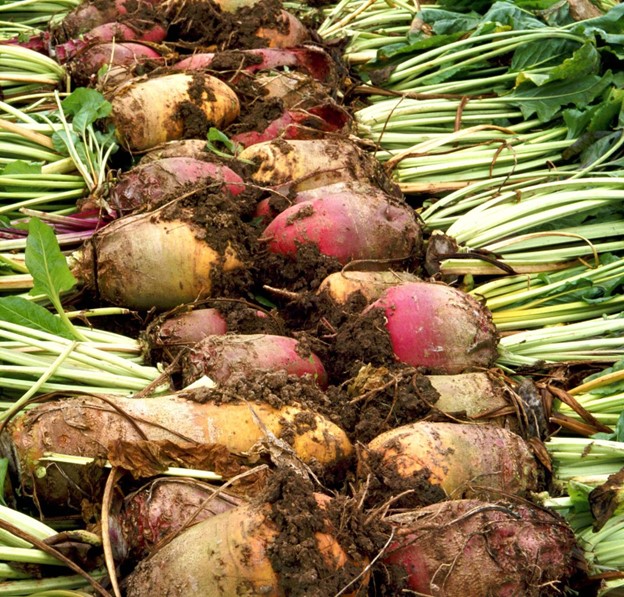
At the end of April 2026, the Colorado Railroad Museum is thrilled to open a brand-new exhibit: Creating Colorado by Rail: 150+ Years of Mining, Agriculture, and Tourism. This exhibit will focus on three of Colorado’s major industries historically and in the present. In honor of this new exhibit, we are featuring a sweet treat alongside the history of growing and processing sugar beets in Colorado: strawberry shortcake.
Following the Silver Crash of 1893, as mining declined, Colorado entrepreneurs realized they needed another way to guarantee income. The sugar beet crop became a good way to do so. as tariffs on sugar cane imports led to the desire for a locally sourced form of sweetener. Sugar beets were known as “white gold” in the state, signifying their economic importance. The crop flourished in Colorado and sugar beet farms sprang up across Colorado. The labor required to grow, harvest, and process sugar beets was extensive, and laborers of many ethnicities and races were brought in to do the work. The labor force that cultivated sugar beets included Latino, Japanese, and even Japanese Americans incarcerated at Camp Amache during World War II.
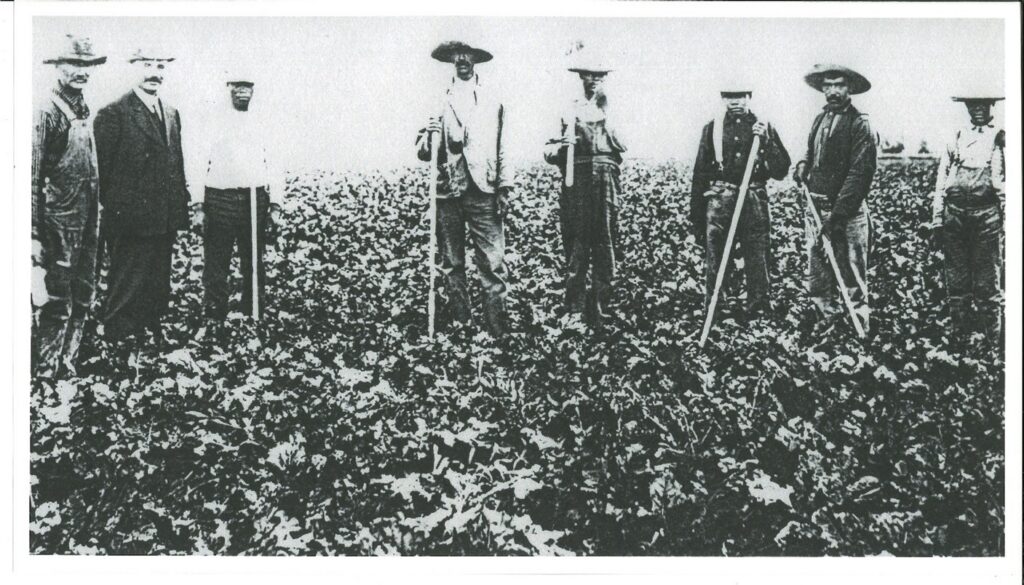
Figure 1 Mexican and Mexican American sugar beet workers including Marciano Aguayo, who later became a laborer for Union Pacific featured in the Colorado Railroad Museum’s exhibit, Traqueros: Mexican Trackworkers and the American Railroad.
In the early 1900s, Charles Boettcher and his partners founded the Great Western Sugar Company with the first sugar mill built in Loveland, Colorado in 1901. Factories sprang up in locations across northern Colorado including Brighton, Greeley, Longmont, Fort Collins, Windsor, and Fort Morgan (to name a few). With all these locations of sugar mills and sugar beet farms, there was a need for reliable transportation, which is where the railroad came in.
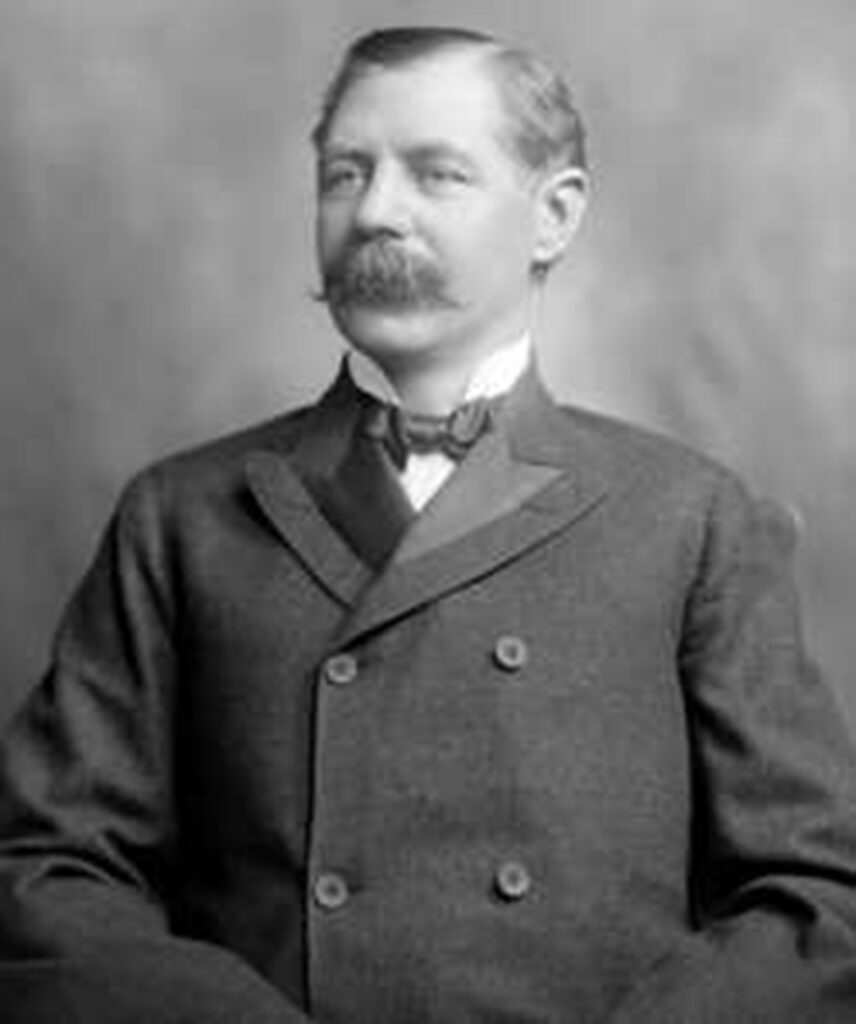
Figure 2 Charles Boettcher, founder of the Great Western Sugar Company.
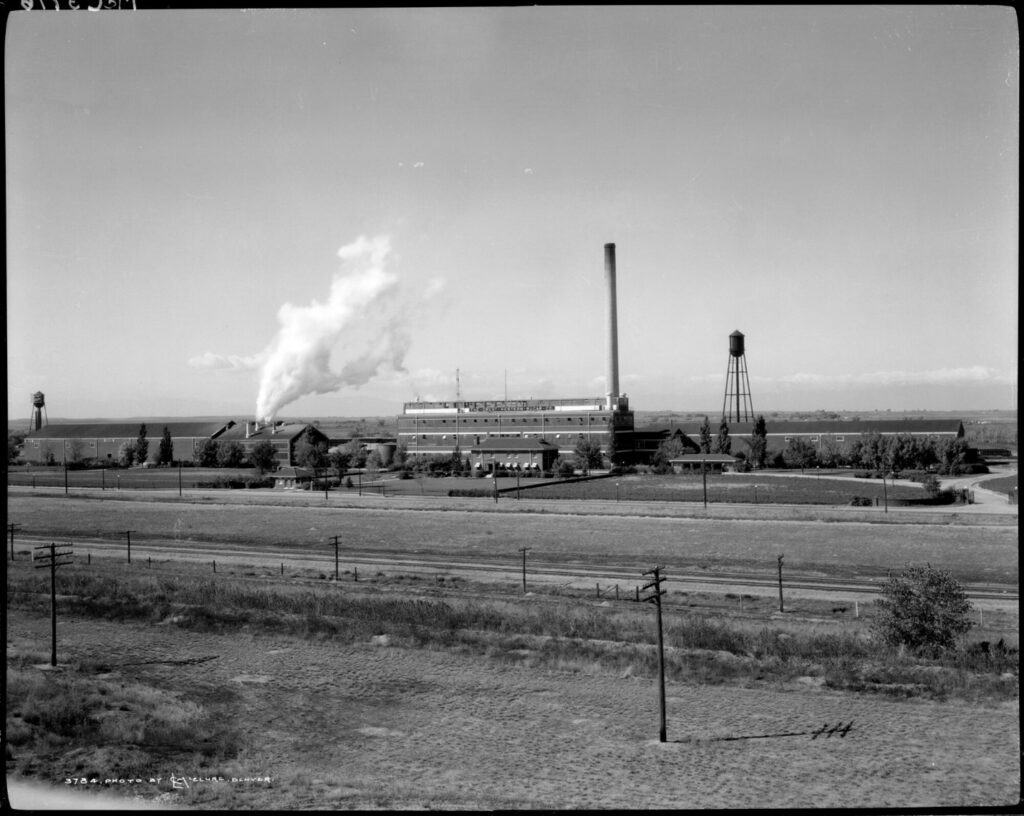
Figure 3 Great Western Sugar Co. plant in Brighton, Colorado 1910-1930. Denver Public Library Western History Collection.
The Great Western Railway (GWR) was built from 1902 through 1907 to serve the Great Western Sugar Company. The routes went through northern towns in Colorado and connected with the Union Pacific (UP) Railroad in Johnstown, Colorado. The line was meant to serve as an easy access point between sugar beet farms and factories for processing, while the loop design meant that more smaller farms were on the route. GWR primarily transported sugar beets from farms to storage facilities and factories to be processed. GWR also transported the materials that were used in sugar processing at the factories including coal, coke, and limestone.
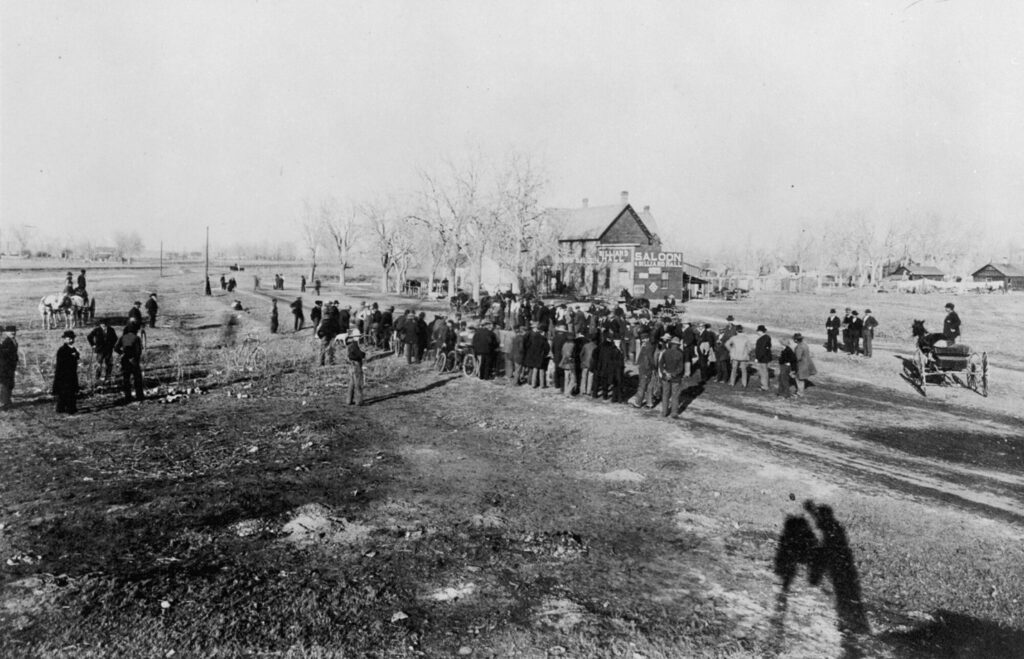
Figure 4 Community members wait for the first train, Great Western Railway, to arrive in Johnstown, Colorado in 1902. Denver Public Library, Western History Collection.
Specially designed freight cars were used to transport sugar beets. Early versions were made of wood with 3-foot-tall sides. The addition of boards to those sides allowed for more beets to be carried in each car. Over time, efficiency increased and the design improved with the addition of elevated tracks, making it easier to access side and bottom doors when unloading the beets.
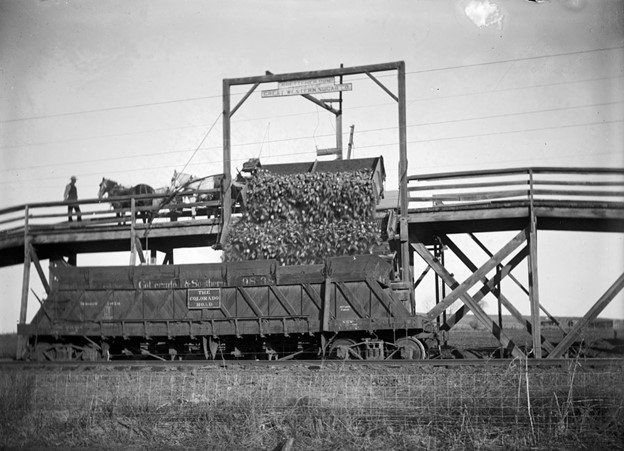
Figure 5 Sugar beets being loaded onto Colorado & Southern (C&S) gondola. Photo courtesy Longmont Public Library.
Today’s recipe comes from The Pullman Company Repertory for Commissary Employees, Volume I. Strawberry shortcake dates to medieval England, with the first recorded recipe printed in 1588. Shortcake refers to a crumbly or crispy pastry using lard in the recipe. The dish became popular in America in the 19th, century and was especially popular when the fruit featured (strawberries here) were in season.
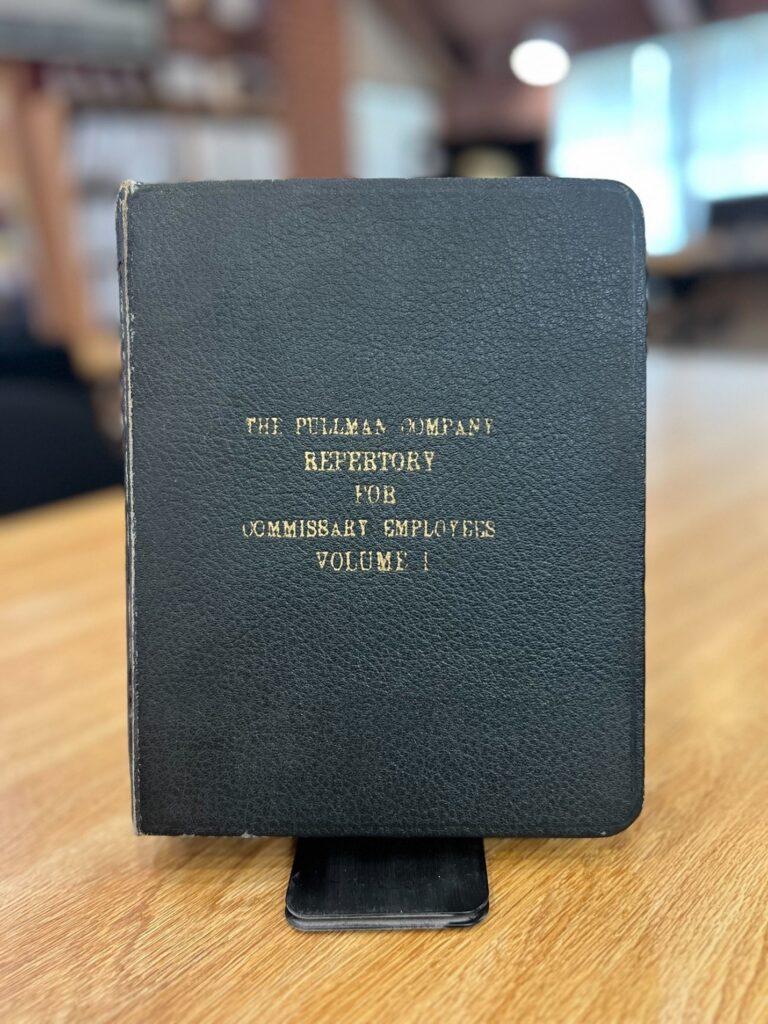
Figure 6 The Pullman Company Repertory for Commissary Employees, Volume 1. Colorado Railroad Museum collection.
We hope you enjoyed our brief history of sugar beets, the Great Western Railway, and strawberry shortcake. Make sure to come see our new Upper Gallery exhibit Creating Colorado by Rail, sometime this year, the 150th anniversary of Colorado’s statehood.

Figure 7 Union Pacific 1963 dining car menu featuring strawberry shortcake. Colorado Railroad Museum collection.
The Pullman Company Repertory for Commissary Employees Shortcake
Shortcakes are not difficult to prepare and serve as a good dessert during summer months when various fresh fruits are in season.
There are endless varieties of shortcakes, made with fresh fruits, ice cream, etc. covered with fresh cream, whipped cream, fruit sauces or custards-often flavored with Kirsch, Brandy or other liquors and can be made very attractive with clever decorations.
Old Fashioned Shortcake Dough
(12 orders)
4 cups sifted flour
4 teaspoons baking powder
1 ½ teaspoons salt
2/3 cups sugar
1 cup cream
½ cup water
1 cup lard
Mix dry ingredients: Flour, baking powder, salt and sugar together. Cut shortening into mixture, add cream and water quickly under constant stirring. Drop dough in flat circle (3 ½ inches in diameter) on ungreased pan – not too close together. Bake in a moderate oven 15 minutes.
When serving, split drop cakes and cover with respective fruit.
Shortcake Dough
(12 orders)
4 cups sifted flour
6 teaspoons baking powder
1 teaspoon salt
2/3 cup shortening (lard)
1 1/3 cups milk
Mix dry ingredients: Flour, baking powder and salt. Cut in shortening. Add milk. Mix quickly to form a soft dough – turn dough onto a lightly floured board – knead lightly. Divide, roll into size of tins and place in same. Bake in hot over for 15 minutes.
Shortcakes
Remove and let cool; cut into 3 ½ inch squares, splitting each square.
Strawberry Shortcake
To each pint of fresh strawberries (which have been mashed, hulled and halved) add ½ cup granulated sugar, mix well. One pint yields 2 ½ orders.
From the above cake cut 3 ½ inch squares, split and cover first square with strawberries, place other piece of cake on top and cover this also with berries; sprinkle top with powdered sugar. Serve a small portion of cream separately in pitcher.