
Happy October! For this year’s spooky season, we decided to feature the resting places of the deceased and some of the (rail transit) routes taken to reach these final destinations. To accompany this journey, we are featuring a staple dish often prepared for funerals: funeral potatoes.
For as long as railroads have existed, they have been used to transport all manner of products from one place to another. These included foods that were brought to market, precious metals and ores—and also human remains. One of the first large-scale examples of this took place in London.
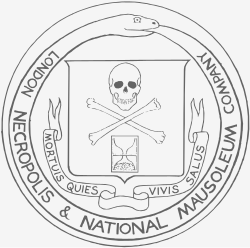
Figure 1 Seal of the London Necropolis and National Mausoleum Company.
Before we talk about the railroads’ role in transporting mourners and remains to cemeteries, we need to talk about the cemeteries themselves. Many cemeteries that we know today are found in more suburban or rural locations. They weren’t always like that. Burials in major cities took place directly in town, often in plots attached to a church. These were called graveyards. However, graveyards became increasingly overcrowded and during the 19th century, it became clear that European metropolitan cities needed to address this.
A new type of burial ground was established known as the garden or rural cemetery. This rural cemetery movement served not only to avoid the crowding of burials in the cities, but also created cemeteries that could serve the living public. These garden cemeteries were established in outdoor spaces lush with trees and flowers. Not only were mourners expected to haunt these grounds, but also the public who would be invited for picnicking, walking, relaxation and reflection. Cemeteries allowed people to enjoy nature while highlighting the juxtaposition between life and death, with plants and animals living alongside the final resting places of the dead.
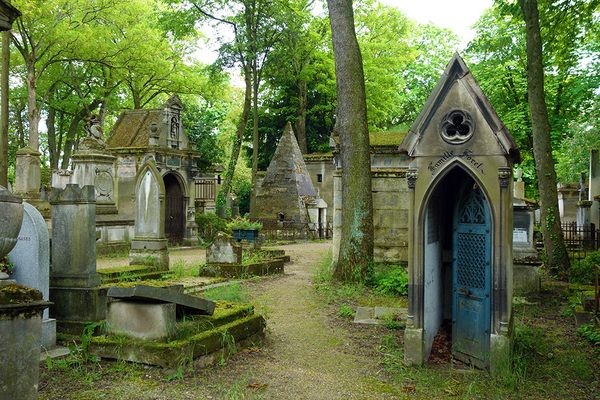
Figure 2 Père Lachaise cemetery in Paris is often considered the first garden cemetery in the world, opened in 1804.
So where do railroads come in? Well, garden cemeteries were a bit more off the beaten path than their inner-city counterparts, and railroads and streetcars were used to bring mourners along with human remains to be interred. The London Necropolis Railway (LNC) was established in 1854. The line was a 24 mile one-way route that carried remains and mourners from London to Brookwood Cemetery. Operating daily, using a First, Second, and Third-class system intended to keep social hierarchies intact, the railway transported up to 2,000 remains a year. LNC operated all until April 1941, when a bomb took out the station during World War II.
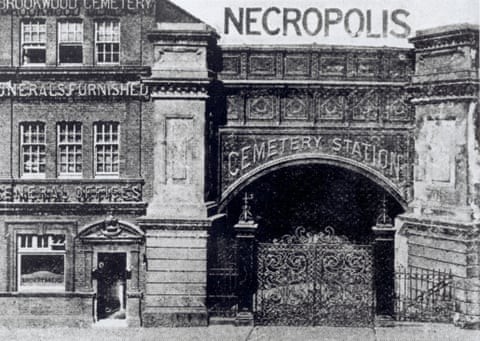
Figure 3 London’s Cemetery Station.
Europe wasn’t the only place to utilize rail and streetcar lines for the transport of the living and the dead. This tradition crossed the Atlantic Ocean and made its way into the United States as well. Facing the similar problems of overcrowded burial grounds in city centers, cemeteries in major U.S. cities were closing their doors to new burials and forcing relocation to garden cemeteries. The first one in the United States was Mt. Auburn, located in Cambridge, Massachusetts. Like the LNC, these cemeteries were more difficult to get to and required transportation.
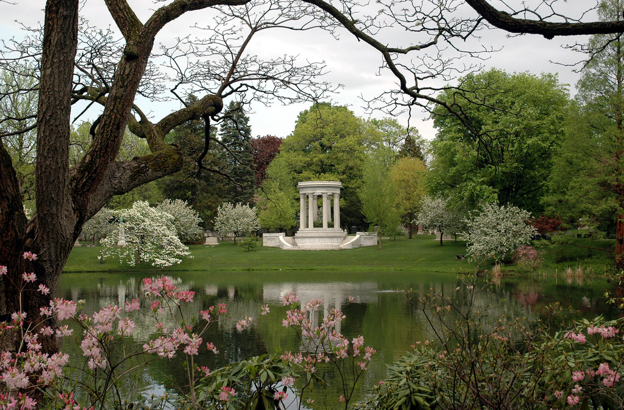
Figure 4 Mount Auburn in Cambridge, Massachusetts, established in 1831, is the first garden cemetery in the United States.
Four Denver metro area cemeteries utilized rail and streetcar lines for transport. The first to do this in Colorado was Riverside Cemetery. Established in 1876, Riverside was one of Denver’s first cemeteries, and the oldest one in the city still in use today. In 1882, the Burlington & Colorado (later part of the Burlington Route) reached the cemetery, and began transporting cemetery visitors for 20 cents. In 1892, Riverside became connected to Denver’s streetcar system. The other major Denver cemetery connected to the streetcar system was Fairmount.
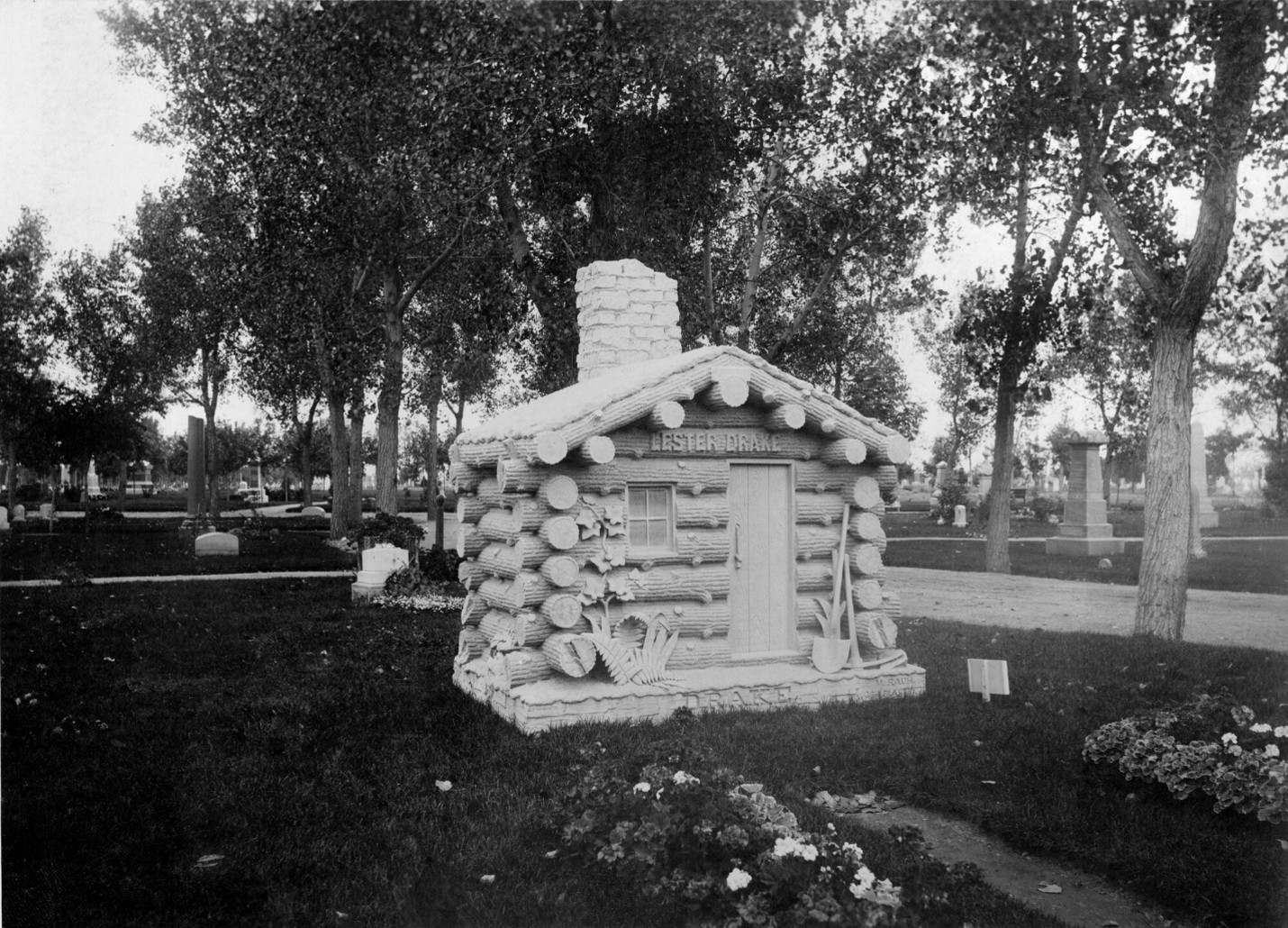
Figure 5 Riverside Cemetery, 1895-1910. Denver Public Library Western History Collection.
After Riverside cemetery’s location started to become an industrial zone, prominent Denverites wanted another cemetery that could serve as an affluent resting place. Fairmount was established in 1890 embodying, to this day, the garden cemetery model. Fairmount residents include prominent figures in Colorado history including the railroad tycoon David Moffat. After failing to convince the Colfax Electric company to build an extension to Fairmount, the Fairmount Cemetery Association did so themselves, creating the Fairmount Railroad Company. The line was 6,800 feet in length and opened on Memorial Day in 1893. Originally a steam line, the Colfax Electric Railway later electrified the line.
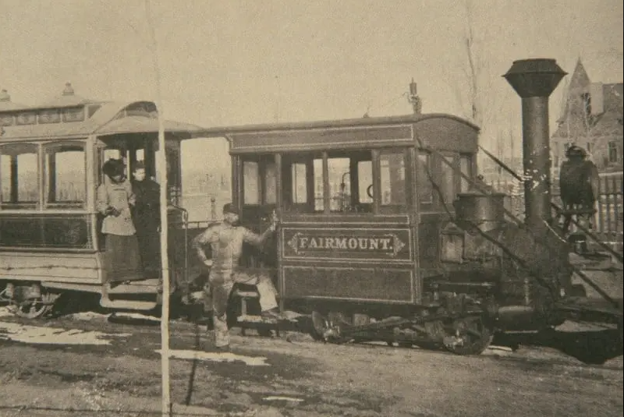
Figure 6 Fairmount Railroad Company steam locomotive, photo courtesy Fairmount Funeral Home.
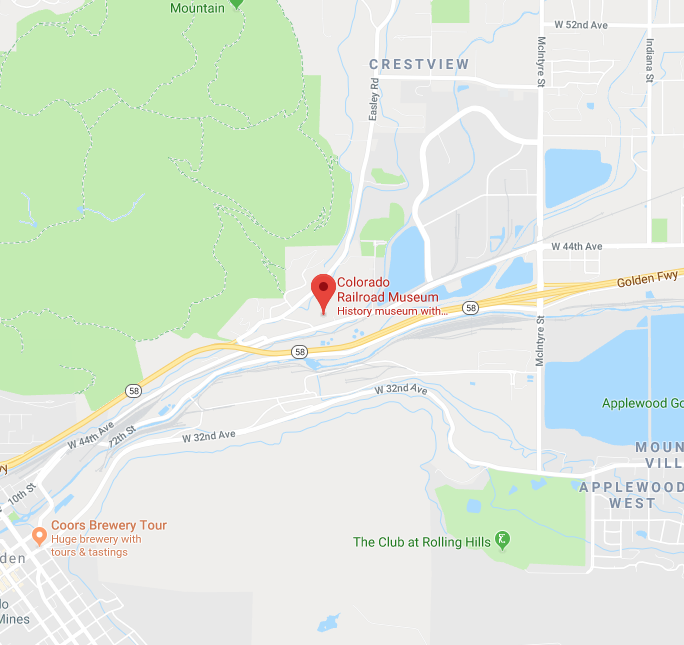
Mount Olivet Cemetery, located near the Colorado Railroad Museum, was established in 1892. The Denver & Northwestern interurban connected Denver with Golden, along which route the Olivet Station served the cemetery. Finally, Crown Hill Cemetery—established in Wheat Ridge, Colorado, in 1907—chartered the Denver & Crown Hill railway, hoping not just to provide a mode of transportation to the cemetery, but also to profit from transporting farmers and their produce grown on the line. Operations began around 1911.
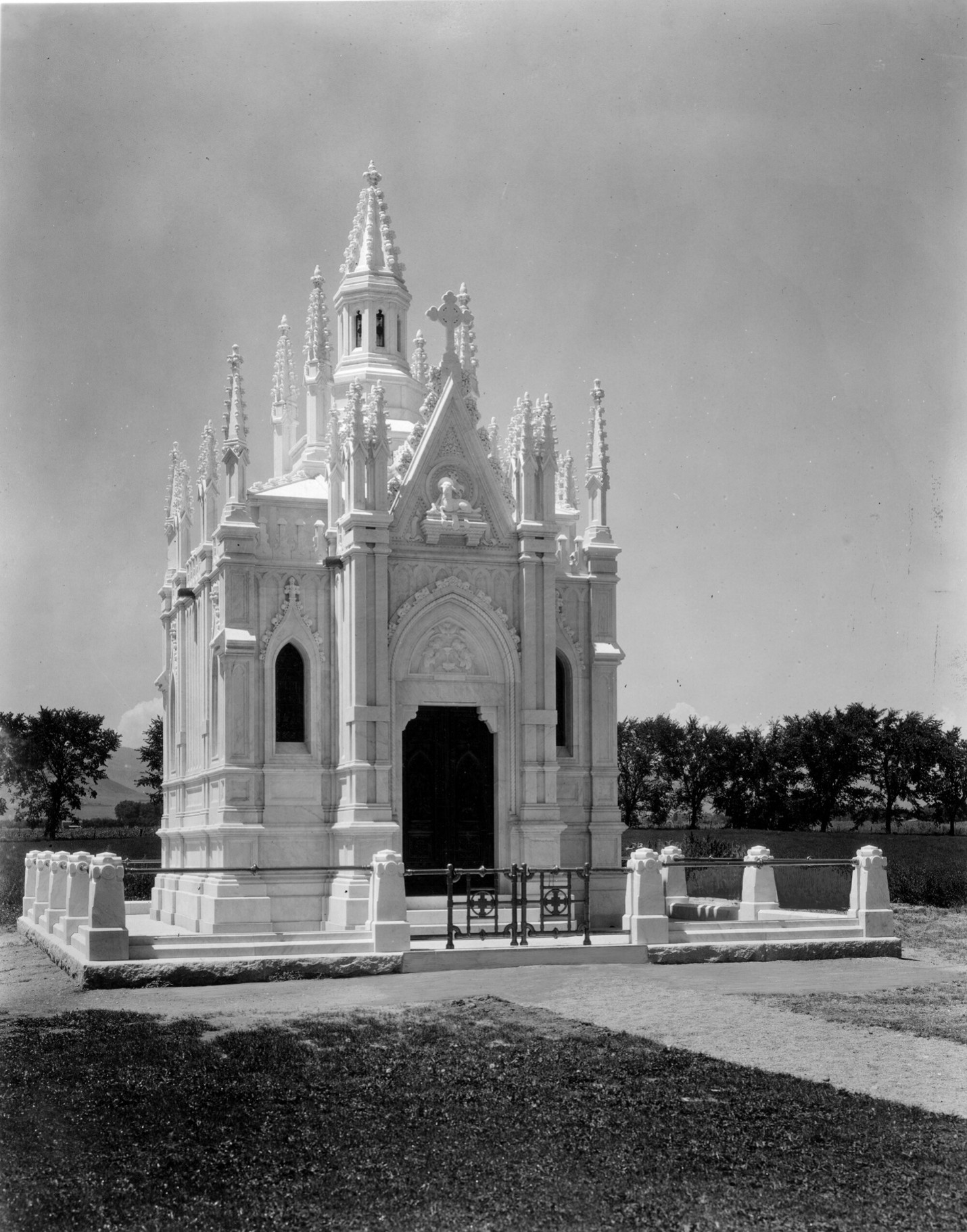
Figure 7 Mount Olivet Cemetery, 1923. Denver Public Library Western History Collection.
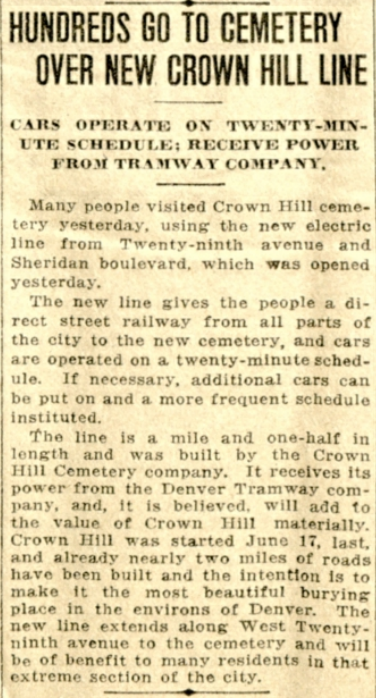
Figure 8 Rocky Mountain News Article discussing the opening of the Denver & Crown Hill line.
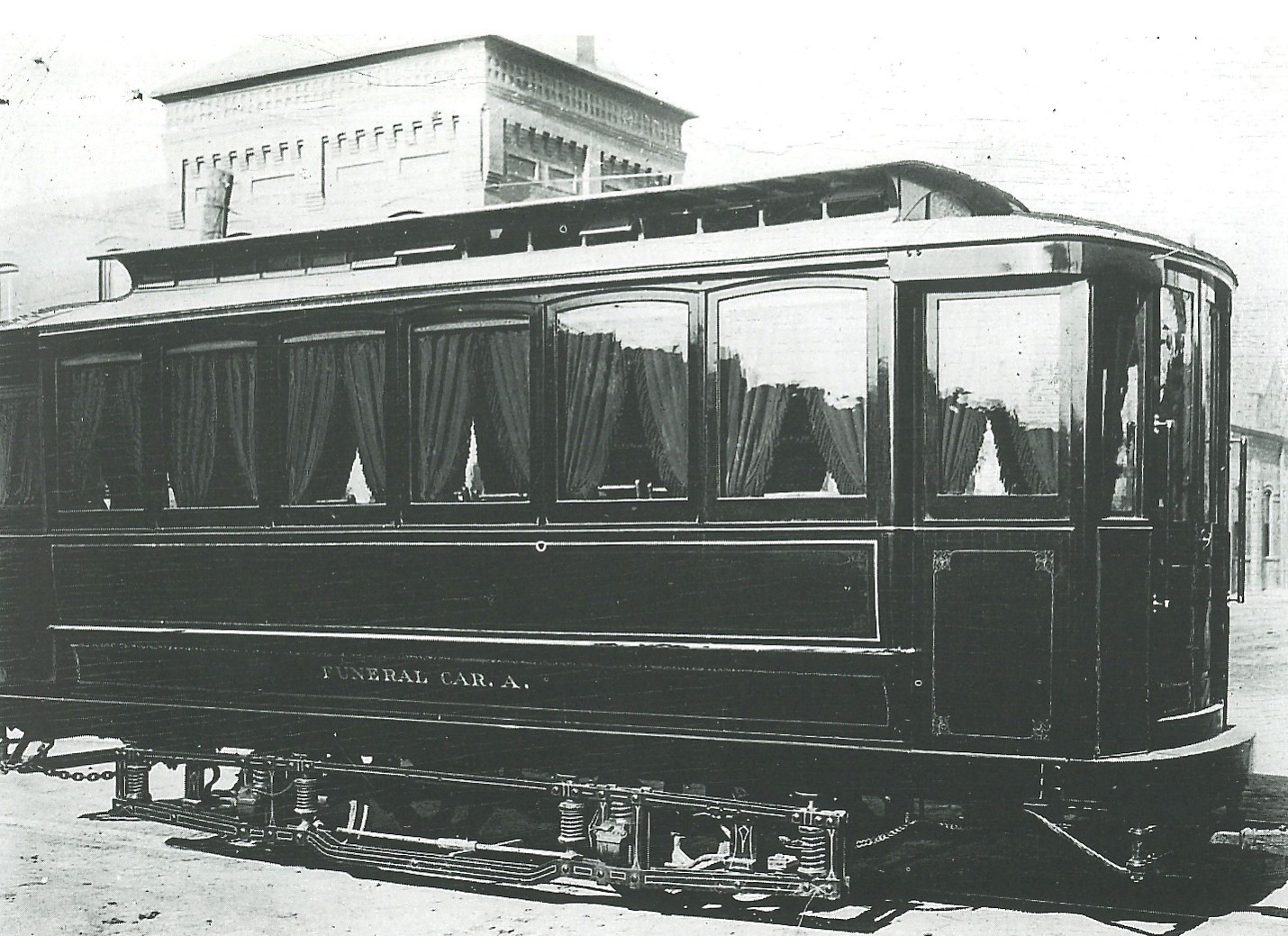
The Denver Tramway Company, which served these Denver-area cemetery lines, offered a special funeral streetcar service. “Funeral Car A” was the name of the specially built single-truck trailer, decorated with a black exterior with gold trim and featuring black drapes at each window. A stand in the center of the car had a brass rail for the casket, and seating was available for pall bearers and family members. Other members of the funeral party rode in another trolley car that pulled the funeral car, which itself was an unpowered trailer. This funeral train was loaded as close to the church or funeral home as it could get, then taken to the cemetery. The casket was offloaded onto a frame on bicycle wheels that was then wheeled graveside by the pallbearers.
There is a rich history of food and funerals that relied on both comfort and simplicity. One common example is funeral potatoes. This is often considered a Mormon dish, and it consisted of low cost and pantry-safe ingredients that could be produced in bulk to feed large gatherings, such as the ones that would be found at funerals. A casserole dish with potatoes, cheese, and hash browns, the dish became a staple not just for funerals but at large gatherings in general.
Today’s recipe comes from the cookbook Death Warmed Over: Funeral Food, Rituals, and Customs from Around the World by Lisa Rogak. Rogak categorized her funeral potatoes in the Colonial America section but noted: “Although the early colonists didn’t have cans of cream of chicken soup and corn flake crumbs sitting on their shelves, they did often make a casserole of Funeral Potatoes to bring to a household where a death occurred. After all, potatoes were cheap and available—and could be stored for months in the root cellar—and it took little time to stir together a casserole for a grieving neighbor.”

Figure 9 Death Warmed Over book cover by Lisa Rogak.
Cemetery streetcars were expensive to operate, and the advent of the automobile and buses spelled the end of operations for many of these. Automobile hearses and car processions took the place of the funeral train.
We hope you enjoyed our brief history of the funeral train and cemetery service to Denver area cemeteries. Please let us know if you try the recipes, or what important funerary fare you and your family serve in the comments below or on our social media channels.
Funeral Potatoes
Ingredients
6 cups Russet potatoes, peeled and diced
1 10-3/4 ounce can condensed cream of chicken soup
½ soup-can milk
1 cup sour cream
1 cup sharp cheddar cheese, grated
¼ cup grated onion
Salt and freshly ground black pepper, to taste
4 tablespoons unsalted butter (1/2 stick)
1 cup corn flake crumbs
Directions
Place the potatoes in a large stock pot with enough water to cover. Salt lightly. Bring to a boil and cook potatoes until there’s still a bit of bite to them. Drain and arrange potatoes in a 3-quart greased casserole dish.
In a medium bowl, combine soup, milk, sour cream, cheese, and onion. Stir to combine. Add salt and pepper to taste. Pour over potatoes.
Preheat the oven to 350 degrees. In a small saucepan, melt the butter over a low flame. Add the corn flake crumbs and stir until mixed and crumbly. Sprinkle over casserole. Bake uncovered for 30-45 minutes until crumbs are lightly browned and potatoes are bubbling.
Serves 8