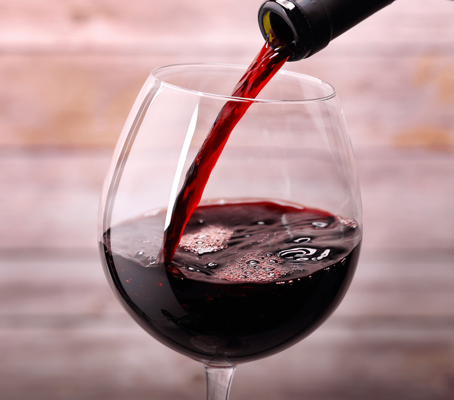
The crispness in the air, the leaves beginning to change, and the earlier sunsets mean that it is finally autumn! To ring in this season, and break from the heat and drought of this past summer, we are winding down with a glass of wine. Wine has long been a staple beverage aboard passenger trains, but what are the origins of this iconic drink, and how do they relate to trains?
Before we get into the railroad side of things, what is the history of wine? Wine has been around for thousands of years, with the earliest traces dating back to 6,000 B.C.E where clay jugs full of grape juice were buried in the ground where it fermented. Over time wine was considered an elite beverage in Ancient Egypt, reserved for pharaohs and nobles and kept stocked in tombs with mummies to fortify them in the afterlife. Wine spread from the Greek and Roman empires via trade routes. During the Roman Empire and then after its fall, monasteries took on the process of cultivating wine and it became significant in Christian tradition for ritualistic purposes—notably the sacrament. Wine spread worldwide, both through trade and as people moved to different regions and brought wine cultivation techniques with them, that then became adapted to each specific region.
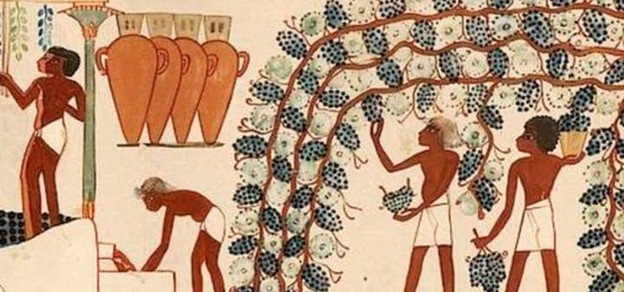
Figure 1 Egyptian art featuring wine containers.
Vineyards in America date back to the 17th century, when Spanish missionaries planted them for sacramental purposes including New Mexico in 1629 and California in 1769. Not only was wine used for religious purposes, but it was also served with dinner for guests at the missions.
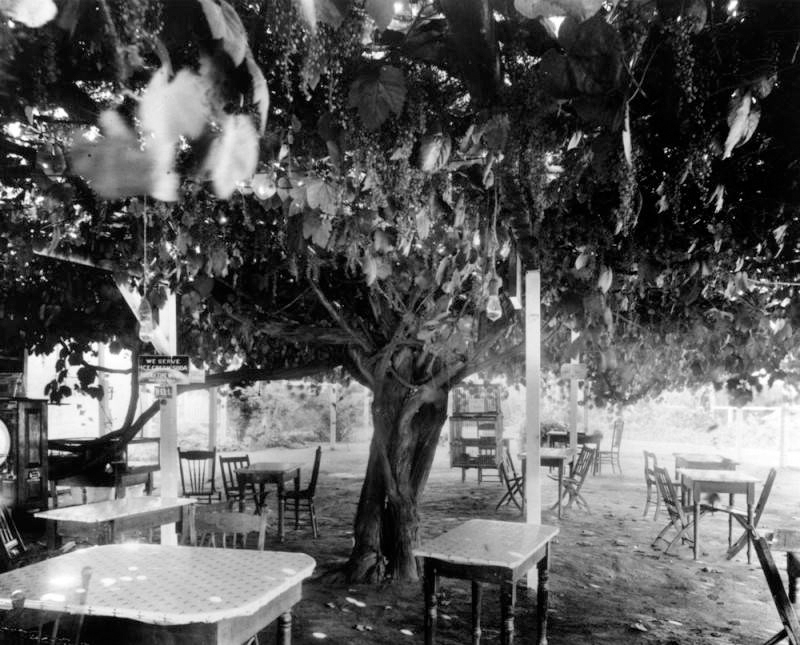
An historic grape vine at Mission San Gabriel Arcangel, 1895. Photo courtesy Los Angeles Public Library.
So where do railroads come in? Transport of course! Wine is a difficult substance to transport, involving heavy jugs and barrels and then of course the shelf life associated with the beverage before different refining techniques were discovered. Prior to the 19th and 20th centuries, water travel was the most convenient way to get wine to market, and this influenced where commercial wine growing regions could form—notably somewhere with access to a navigable river or ocean. With the advent of the railroad, it became much easier to transport the beverage, and allowed for a wider acreage of land that could be reached.
From the early 1900s through the mid-1960s, specialized railroad tank cars were even used to transport bulk wine and grape juice across the U.S., especially from California to bottling facilities in the East. Wineries used these specialized cars to move inexpensive table wines, jug wines, fortified wines, and grape juice on an industrial scale. Wine tank cars often featured multiple compartments, allowing different types of wine or juice to be carried in smaller, measured batches, with food-grade or glass-lined interiors to protect taste.
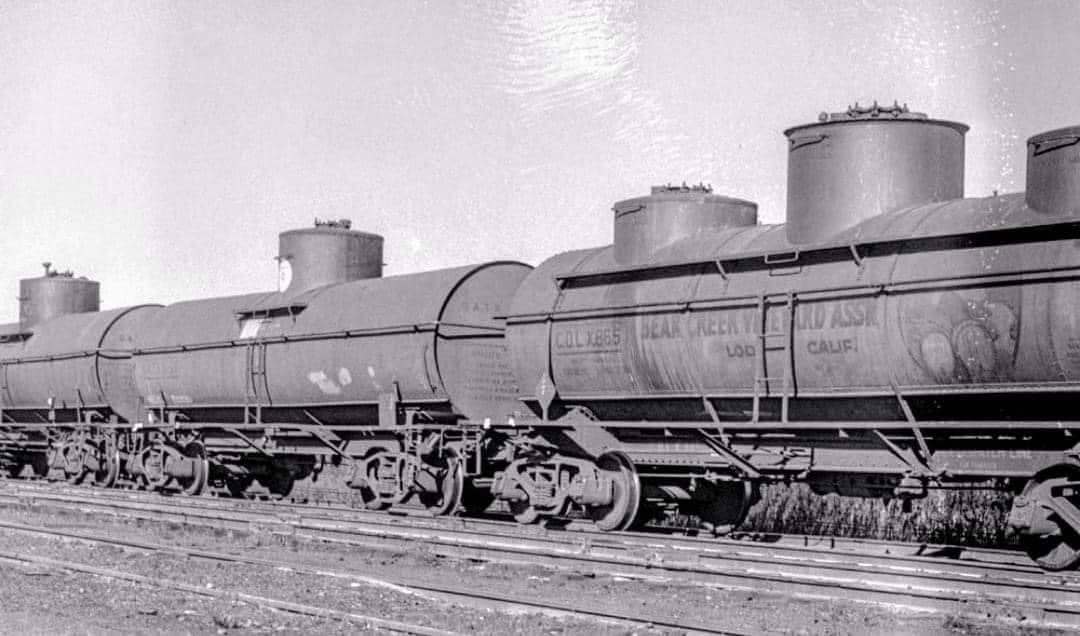
Figure 3 Wine tank cars in California’s Central Valley, circa 1950.
In addition to transporting the beverage, railroads also served wine aboard their dining cars. Though much of the wine served in the early days of railroad dining was imported from Europe and categorized by region (including Rhine wines), California wine by the late 19th century was making a name for itself. One California winery that was put on the map was Cresta Blanca. In the 1889 Paris World Exposition—held in Paris, France and where the Eiffel Tower debuted—Cresta Blanca’s 1884 “Sauterne” (a dry white wine crafted from Sauvignon Blanc grapes) won the Grand Prix, becoming the first California wine to do so and giving American-made wines an international audience. The Denver & Rio Grande (D&RG) railroad even had it as an option on its wine list in a 1906 menu (see figure 5) and it was served aboard Southern Pacific and Atchison, Topeka & Santa Fe dining cars as well.
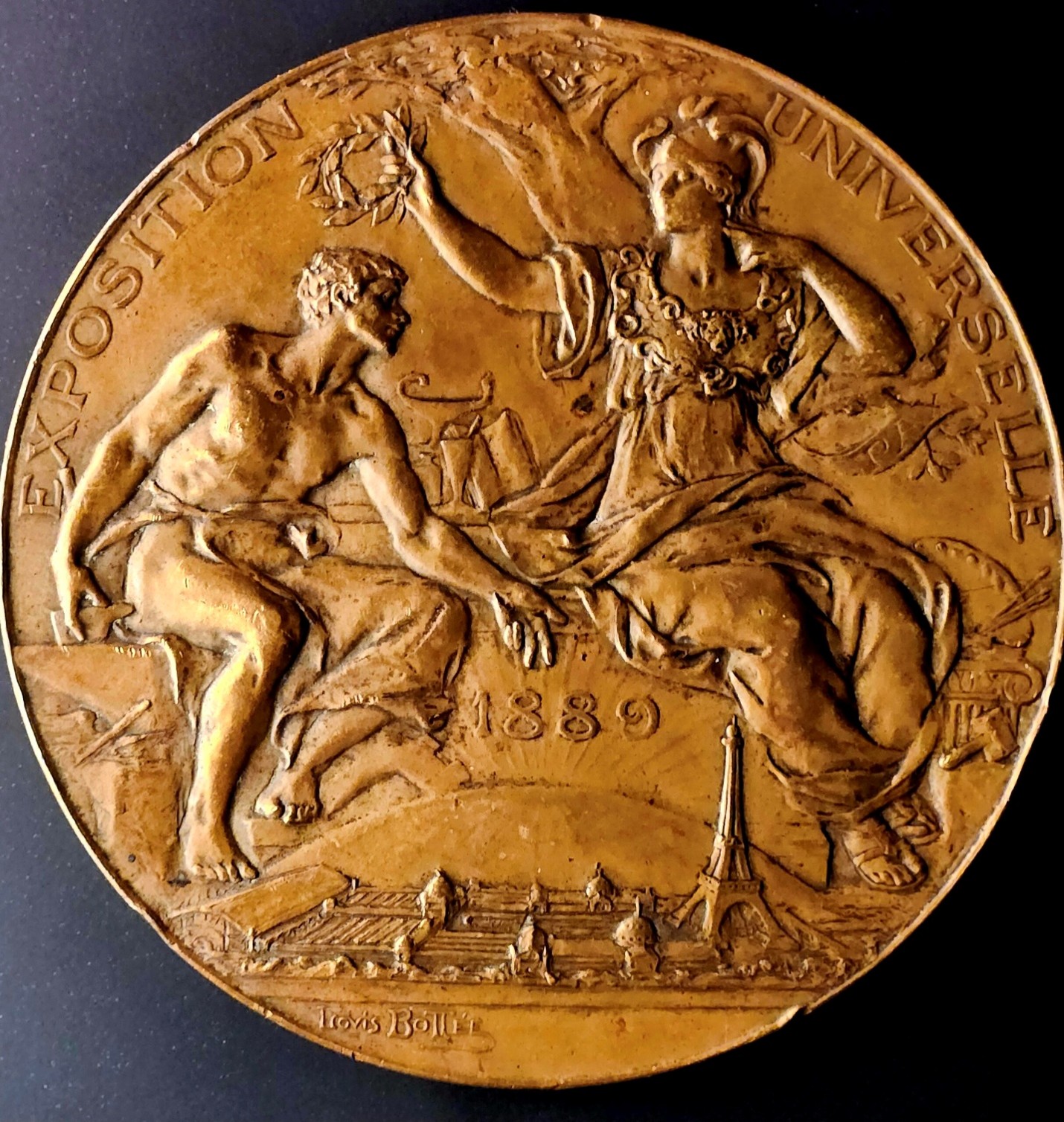
Figure 4 Grand Prix medal given to stand out exhibitors at the Paris Exposition, including one awarded for the Cresta Blanca wine.
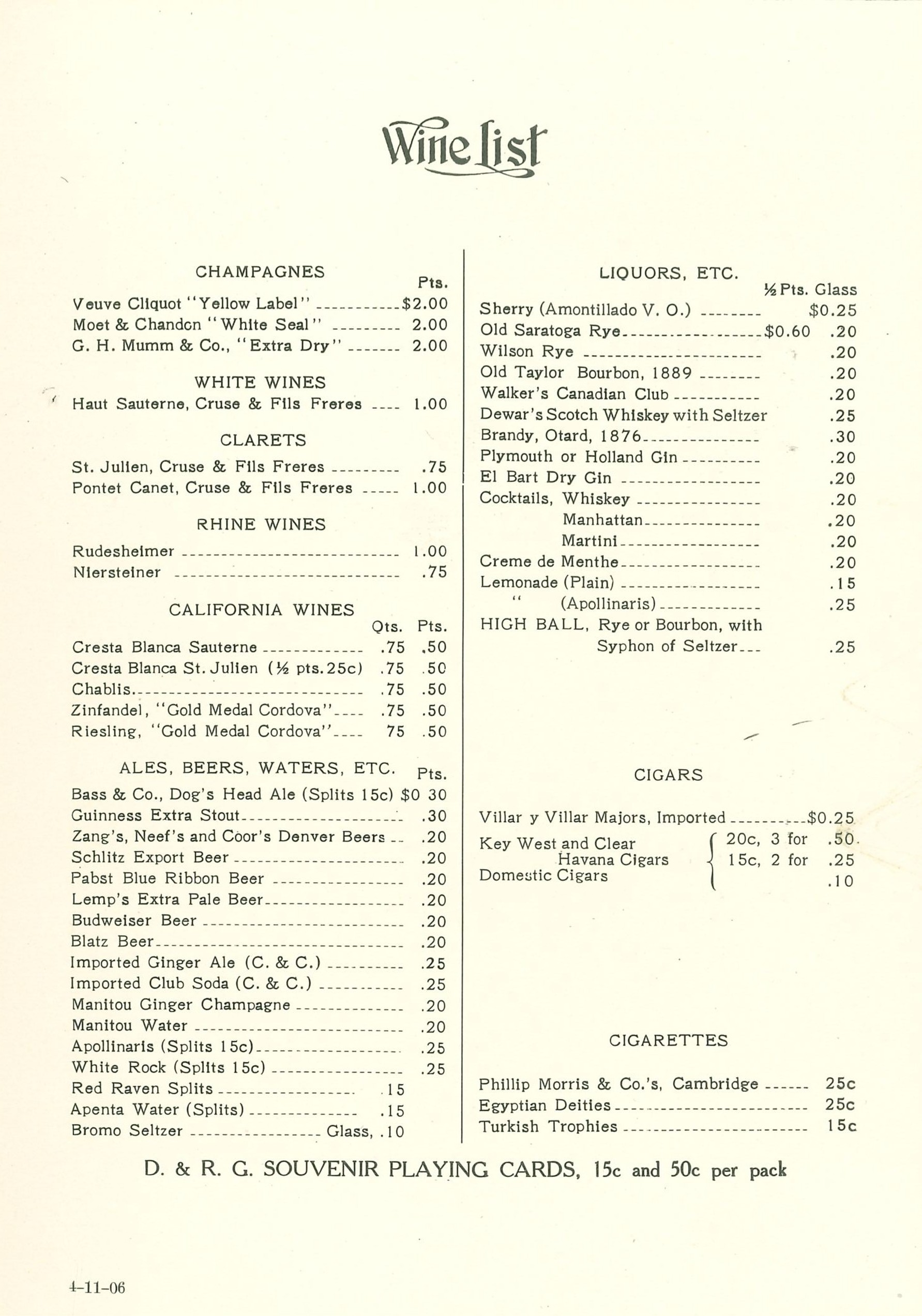
Figure 5 Denver & Rio Grande (D&RG) wine list, 1906. Colorado Railroad Museum Collection.
Another California wine region with strong railroad ties was the Cucamonga Valley. Dating from the late 1830s, this Southern California location had an ideal climate for growing that prevented many of the problems other California vineyards faced, such as fungal infestations. When Prohibition took effect in 1920, the Cucamonga Valley was able to continue wine production under the Volstead Act, which allowed for wine to be produced and sold for religious purposes. Additionally, home-grown wines and grape juices were permitted, meaning the demand for fresh grapes was high. The land was ideally situated near the Santa Fe, Union Pacific, and Southern Pacific railroads, giving it ideal proximity to rail transport. A nearby ice plant also allowed for the convenient use of refrigerated boxcars (“reefers”) to move the grapes to market.
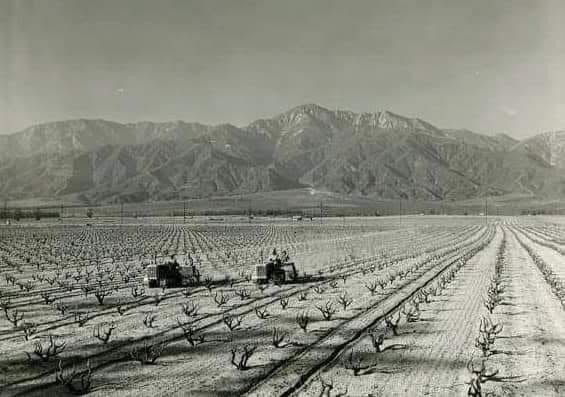
Figure 6 Cucamonga Valley in the 1940s.
Today’s wine serving instructions come from The Pullman Company’s Commissary Instructions. Published in 1939, this small book was put together to provide detailed instructions for Pullman Company employees serving passengers. There are instructions on everything from proper uniform requirements for employees, to diagrams of beef, pork, and sheep cuts. A large section of the booklet relates to the serving of alcohol, including a 16-step breakdown for serving lemonade. The section on wine gives detailed information including “all wine bottles should be stored lying on their sides…because if the bottles are not placed on their sides, the corks are very apt to dry up and the bottles will then not be air-tight” causing the wine to spoil. The book also breaks down the types of wine served into two types, still “such as Sauterne, Sherry, Port, etc” and sparkling like champagne.

Figure 7 The Pullman Company Commissary Instructions book, Colorado Railroad Museum Collection.
We hope you enjoyed our brief history of wine and railroads. Whether you enjoy a glass simply poured, or decide to try the steps highlighted in The Pullman Company’s Commissary Instructions, we hope you enjoy!
The Pullman Company’s Commissary Instructions for Serving Wine
When a passenger orders wine, be sure to find out what type he desires. Bring the bottle to the table on bar tray with proper wine glass and paper cocktail napkin which is to be used as underliner. Present bottle to the passenger. Open bottle in the presence of passenger by first cutting the tinfoil cap with cap knife all around the edge of bottle top and then slowly pulling the cork with cork screw. Carefully wipe the top of bottle with clean glass towel and fill the wine glass about two thrids full. Where two or more people are served, a small amount of wine should be poured into the glass of the person who gave the order, then the glass (or glasses) of the other person (or persons) should be filled, and last, the glass of the person ordering should be filled. This is a very old custom, which is recognized as the highest type of wine service, and it should be adhered to.
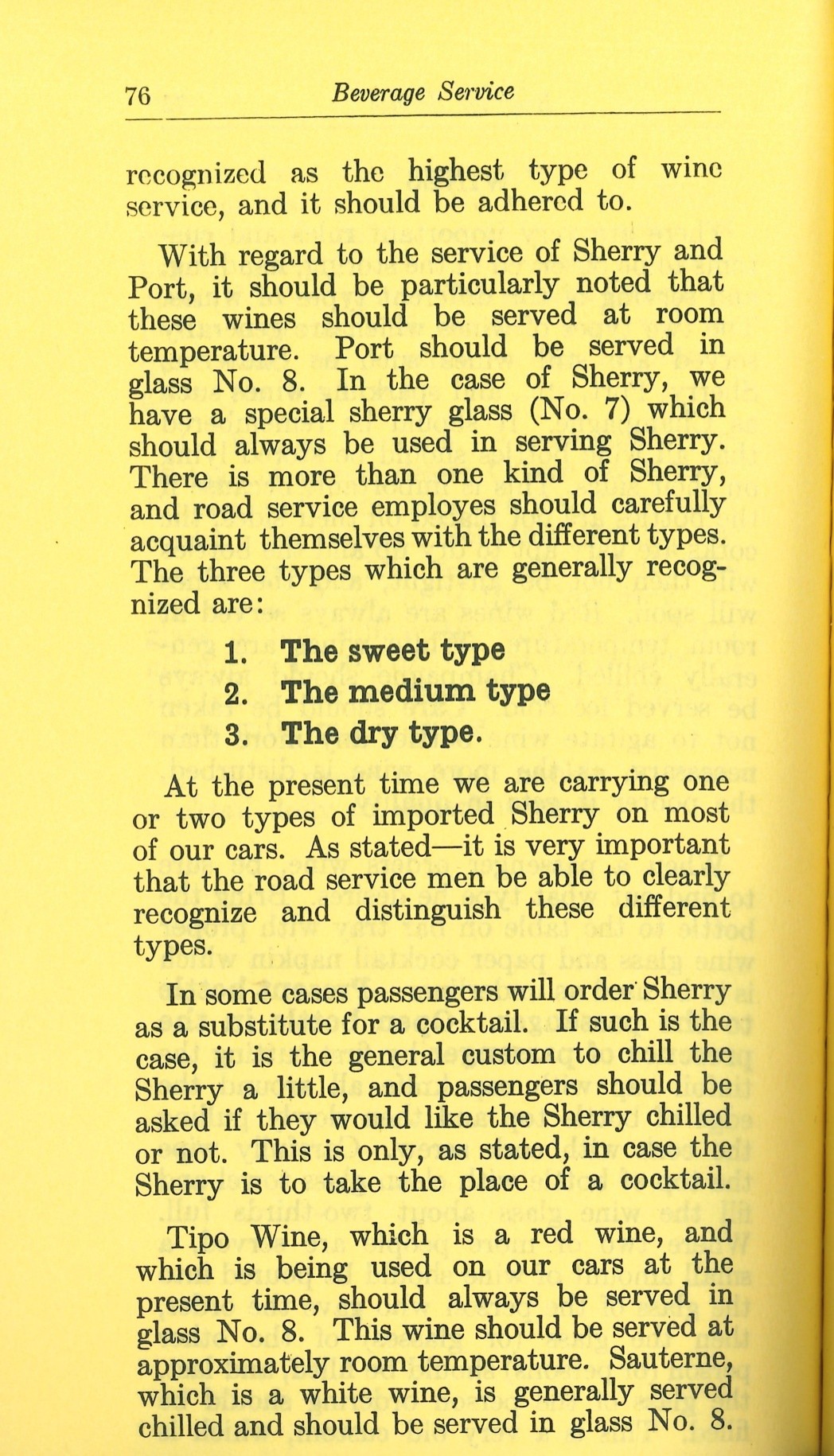
Figure 8 The Pullman Company Commissary Instructions showcasing the different types of wine and the glasses it should be served in.
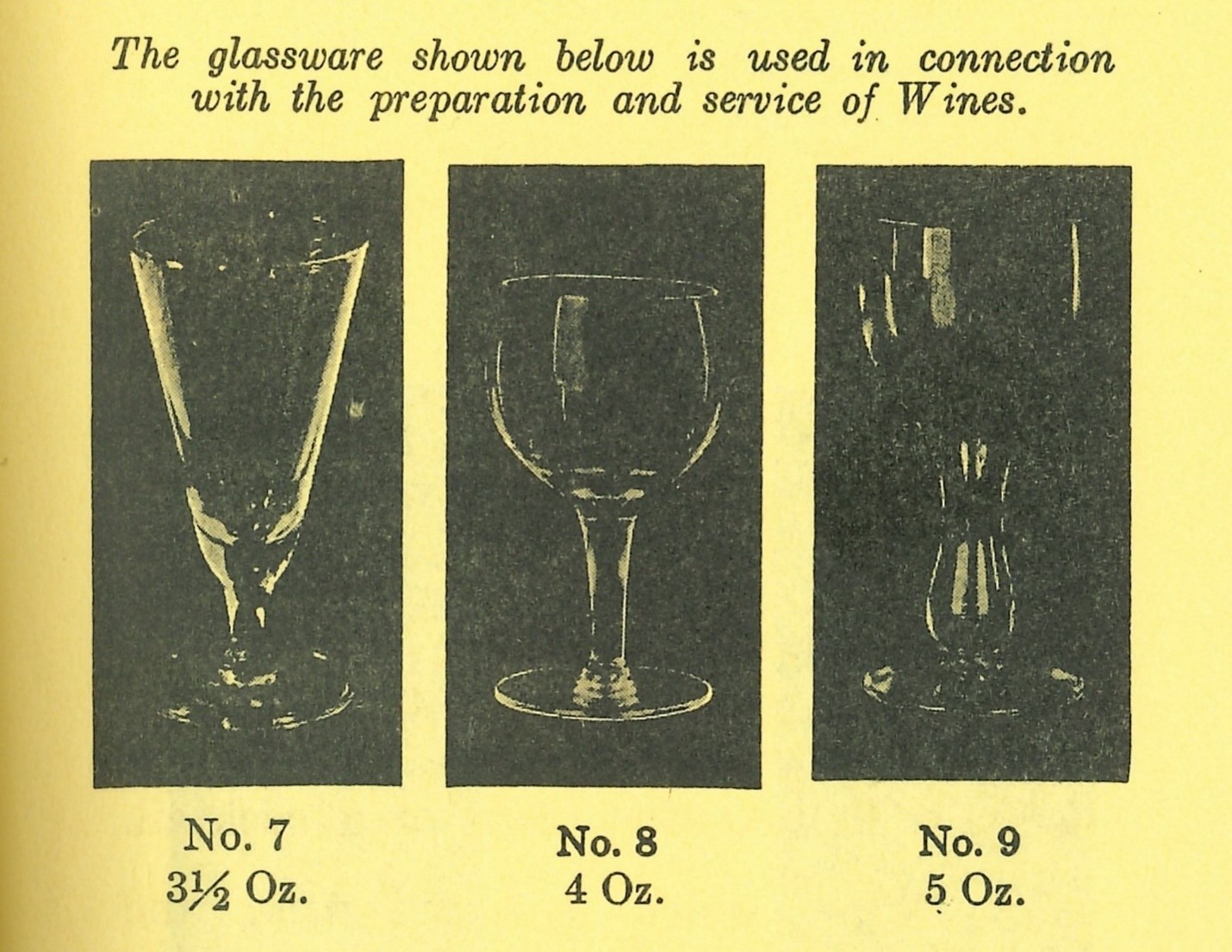
Figure 9 The Pullman Company’s Commissary Instructions wine glasses.