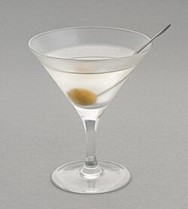
Happy January! As we ring in the New Year we have decided to feature a celebratory beverage: a martini. As the Colorado Railroad Museum’s Rio Grande Southern steam locomotive No. 20 pulls special excursions this month and next out of Durango, we are also going to feature the history of the Denver & Rio Grande’s Durango to Silverton line (today’s Durango & Silverton Narrow Gauge Railroad [D&SNGRR]) along with excursions undertaken by the iconic Lucius Beebe and Charles Clegg over the narrow gauge railroads of southwestern Colorado!

Figure 1 Map of Denver & Rio Grande and Denver & Rio Grande Western through Colorado and Utah.
Before we talk about the excursions, let’s discuss the history of the Durango to Silverton line. Durango, Colorado, was founded by the Denver & Rio Grande (D&RG) Railroad in 1880, a year before the railroad arrived in town after completing its San Juan Extension. The city was founded to serve the surrounding mining regions of the San Juan mountains. By July 1882, D&RG completed the line from Durango to Silverton, traversing the spectacular Animas River canyon. Though the primary goal was to bring precious metal ores from the region to market, scenic rides on the line were offered from its inception.
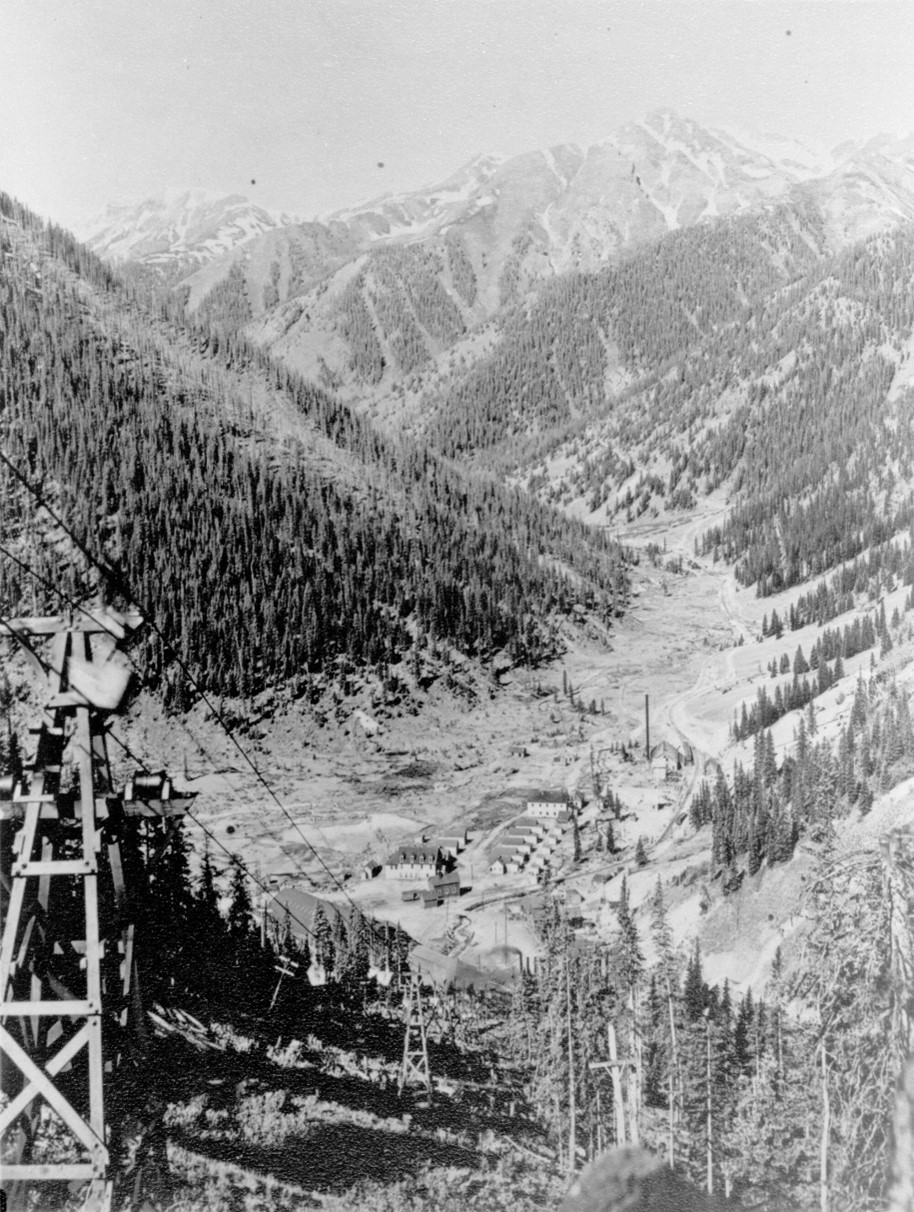
Figure 2 Gold King mine, in San Juan mountains, 1900-1920. Photo courtesy of Denver Public Library Western History Collection.
When the mines near Durango and Silverton shut down, it was tourism that saved the railroad. Hollywood brought in attention and tourists by filming movies featuring trains in and around Durango. A popular 1950 movie was A Ticket to Tomahawk—whose stars included Marilyn Monroe and the Colorado Railroad Museum’s Locomotive No. 20! During the 1960s, in recognition of the remarkable role of the railroad in Colorado’s history, the Durango to Silverton line was designated a National Historic Landmark and a National Historic Civil Engineering Landmark.

Figure 3 Promotional movie poster of A Ticket to Tomahawk
Lucius Beebe and Charles Clegg were iconic railroad photographers, writers, high society individuals and an openly gay couple when a time this was not socially acceptable. The couple organized a grand tour in southwestern Colorado of the Rio Grande Southern. They were seeking photos not just of the RGS, but other narrow gauge lines in regular service including the Denver & Rio Grande Western (D&RGW). Their 1946 tour included both RGS and D&RGW trackage, with Durango part of the journey.
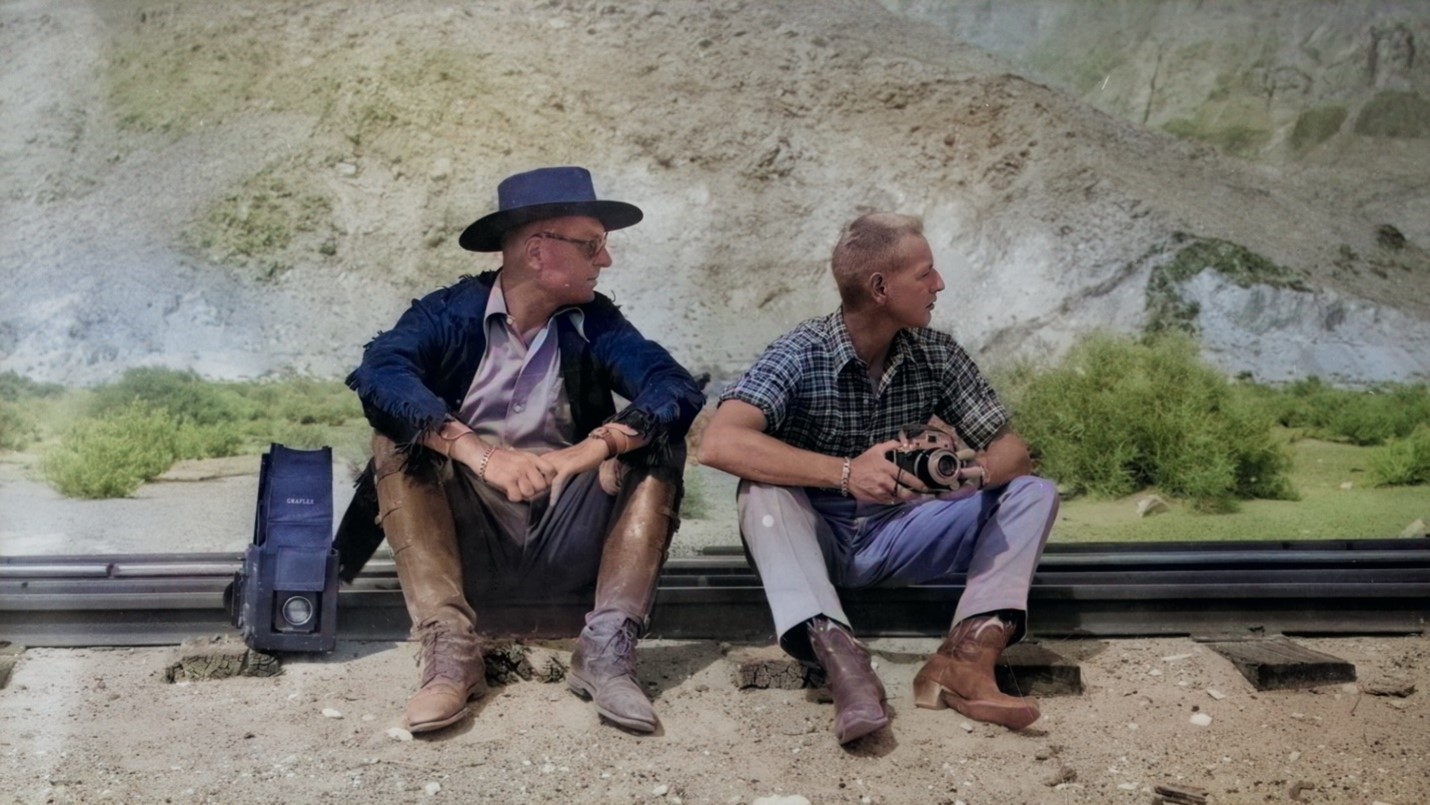
Figure 4 Lucius Beebe and Charles Clegg, photo courtesy of California State Railroad Museum.
RGS locomotive No. 20 pulled the mixed train excursion from Durango to Rico, Colorado, an event that inspired the Colorado Railroad Museum’s 2023 Colorado Crossings event where the Museum recreated the mixed train used by Beebe and Clegg from 1946. The Museum’s train featured two business cars, and was led by a parade of Galloping Geese, one of which was present for the 1946 excursion.
Beebe and Clegg were known for their extravagant lifestyles and high society tendencies, and any excursions undertaken by the couple were fancy affairs replete with fantastic food and drink. Their RGS tour was no exception. While in Durango, Beebe and Clegg gave a dinner to honor the president of First National Bank, Alfred P. Camp. They brought out the caviar and fine Rio Grande silver service. Lucius Beebe took subsequent tours, including riding on the narrow gauge from Alamosa to Durango and Silverton in 1949.

Figure 5 Dinner in Durango hosted by Beebe (standing in the center) Clegg (seated, left) along with railroad executives and reporters, photo courtesy of California State Railroad Museum.
Among the beverages available to passengers on the D&RG and later Denver & Rio Grande Western (D&RGW) were both vodka and gin martinis. The Stork Club Bar Book published by Lucius Beebe in 1946 featured both versions of the beverage. In the book, Beebe stated:
“There are, of course, a good many redactions and variations of the Martini which depends for its sweetness or dryness on the proportions with which gin and vermouth are used, but the standard and universal dry Martini is still the simplest and most effective mixed drink ever devised.” There are several versions of the vodka martini provided in the book.
We hope you enjoyed our brief history of the Durango & Silverton Narrow Gauge Railroad with Lucius Beebe and Charles Clegg. The D&SNGRR is still in operation today offering scenic excursions through the San Juan Mountains. Feel free to share your adventures along the line in the comments—and whether you’ll enhance them with a martini. Happy New Year!
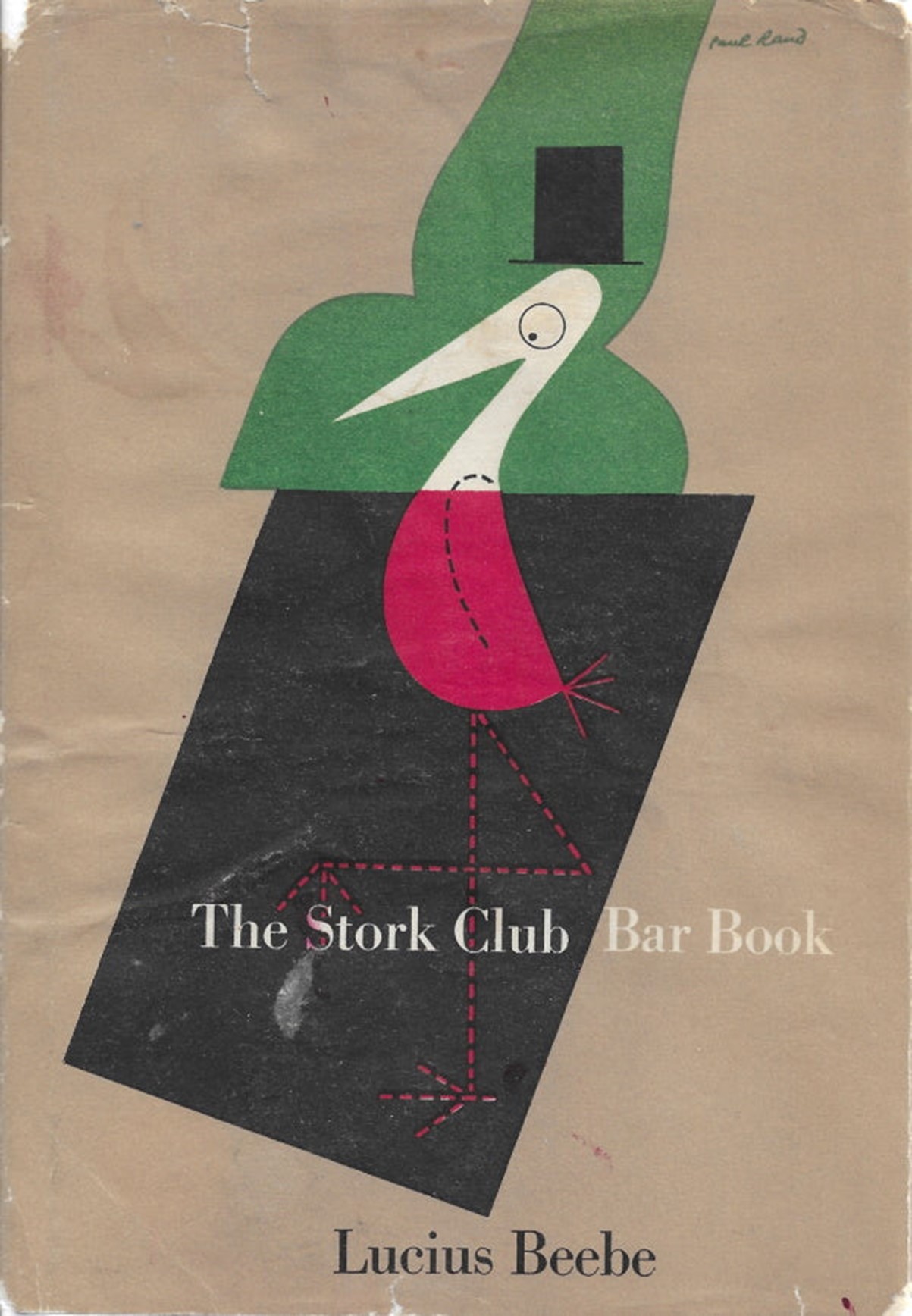
Figure 6 Stork Club Bar Book cover published in 1946.
Dry Martini
2/3 oz. Londons or dry gin
1/3 oz. French vermouth
Stir, decorate with olive and serve in 3 oz. cocktail glass
Vodka Martini #1
3 oz. vodka
1 oz. dry vermouth
Stir or spoon with cube ice and serve as a conventional Martini in 4 oz. glass
Vodka Martini #2
1/3 oz. French vermouth
2/3 oz. vodka
Serve in a cocktail glass. Serve very cold.
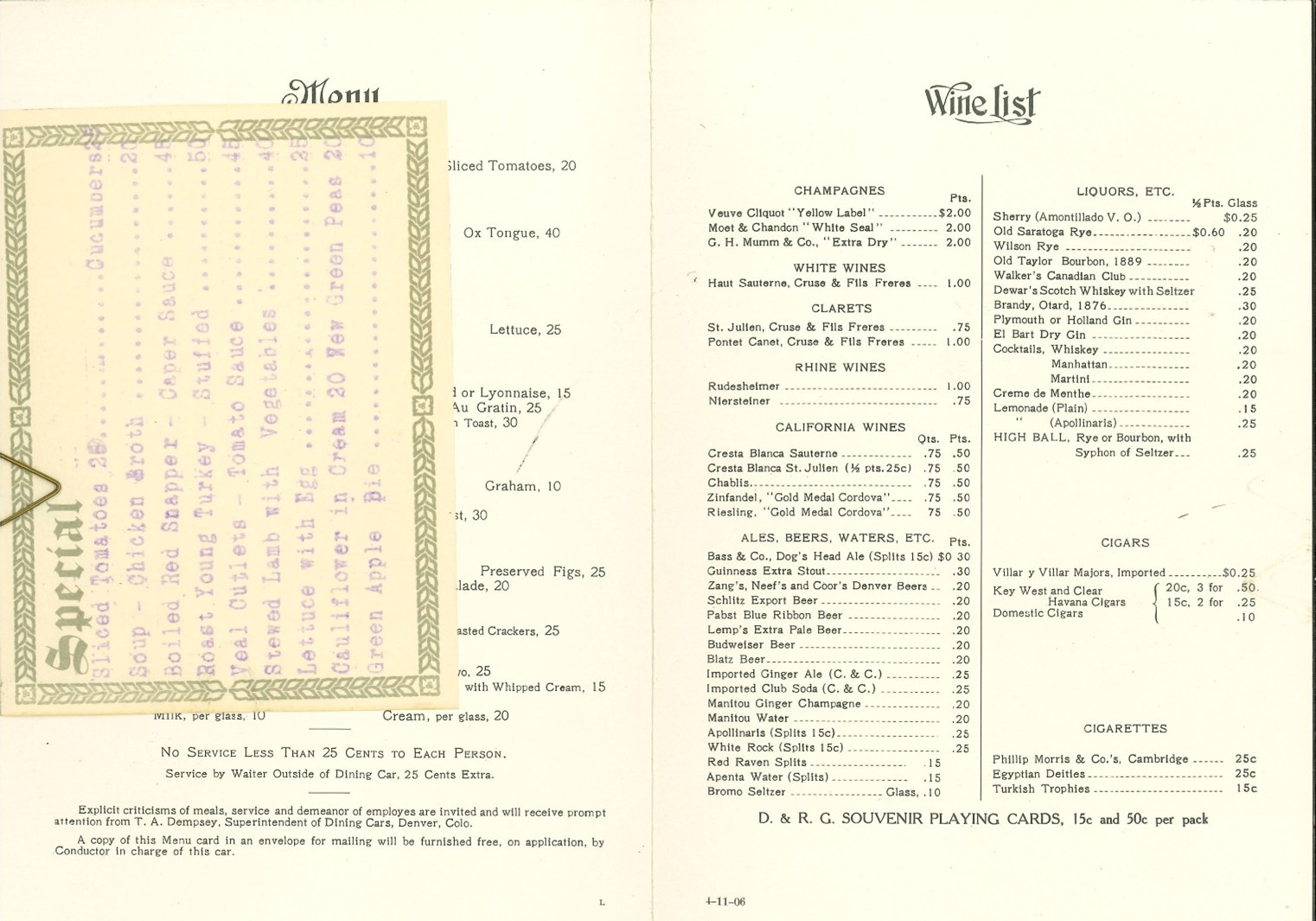
Figure 7 Denver & Rio Grande beverage menu featuring martini cocktails, 1906. Colorado Railroad Museum Collection.
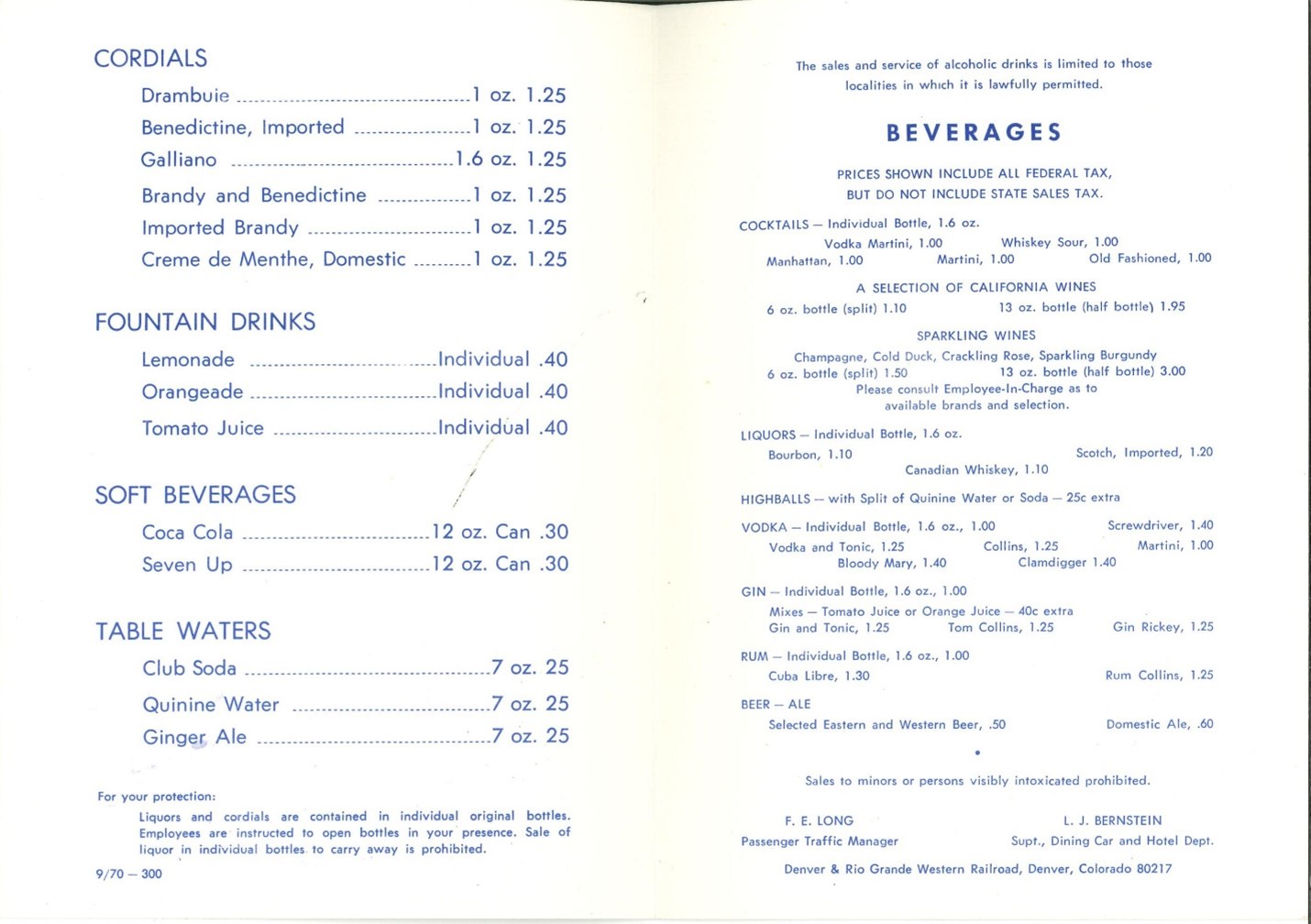
Figure 8 D&RGW beverage menu featuring a martini and a vodka martini, 1970. Colorado Railroad Museum Collection.