
Happy November! This month, we are featuring roast young turkey, a dining option on the Atchison, Topeka & Santa Fe (AT&SF) railroad during World War II. To accompany the recipe, we are serving up a side of World War II history, along with World War II-era Fred Harvey menus in the Colorado Railroad Museum’s collection.
Before we share the recipe, let’s discuss the war. When America entered World War II in December of 1941, it was immediately clear that U.S. railroads would play a pivotal role in transporting essential freight as well as troops. In his pictorial history America’s Fighting Railroads, Don DeNevi noted in the first two years of the war that “American railroads had carried over 600,000,000-ton-miles of freight,” and by August of 1942 “nearly 2,000,000 troops were moved every month.” The freight transported by rail included tanks, vehicles, and big guns.

Figure 1: Scout tanks on a military train, on the AT&SF, from America’s Fighting Railroads by Don DeNevi

Figure 2 Pullman Company Troop Sleeper car, in use during World War II, Colorado Railroad Museum collection.
The number of American men required to fight during World War II left a labor void in essential wartime industries, including the railroad. Women, professors, and ultimately, bracero railroaders were called on to fill that void. For more information on bracero railroaders, check out the Museum’s newest exhibit—Traqueros: Mexican Trackworkers and the American Railroad. This exhibit opened in October of 2025 and will be available at the Colorado Railroad Museum through the end of August of 2026.

Figure 3 Bracero railroaders, Wauseon, Ohio. Bracero History Archive.
In the Colorado Railroad Museum’s collection there are a series of World War II-era menus with prominent covers, showcasing everything from identifying different war planes both in the Army and Navy to the different meanings behind service ribbons. The interiors of the menus encouraged patrons “For Victory, Buy War Bonds” (see figure 8). War bonds were created by the government with the purpose of raising money for the military during times of war. It was a way for the government to borrow money to spend on military expenditures. These menus came from Harvey Houses and the AT&SF railroad which played a vital role in transporting goods for the war effort.

Figure 4 Fred Harvey menu featuring Army Plane Identification guide, March 1945. CRRM Collection.

Figure 5 Fred Harvey Menu featuring Service Ribbons, June 1945. CRRM Collection.

Figure 6 Fred Harvey menu featuring Air Force Wing insignia identification, June 1945. CRRM Collection.
Now, let’s look at the history of turkeys. Domesticated turkeys were brought to Europe and Asia by Spanish explorers in the 1500s, and were said to be named turkeys due to the route through Turkey to get to Europe. Wild turkeys are native to the Americas. Turkeys were being roasted for as long as they were being consumed, though the traditional roast came from England, then back to America. How did turkeys become synonymous with Thanksgiving? In her 1827 novel, Sarah Josepha Hale—famous for writing the nursery rhyme, “Mary Had a Little Lamb”— wrote about New England Thanksgiving meals, and turkey had a prominent spot at the table. Hale also campaigned to make Thanksgiving a national holiday, which Abraham Lincoln did in 1863, to unify the nation amid the brutal Civil War.
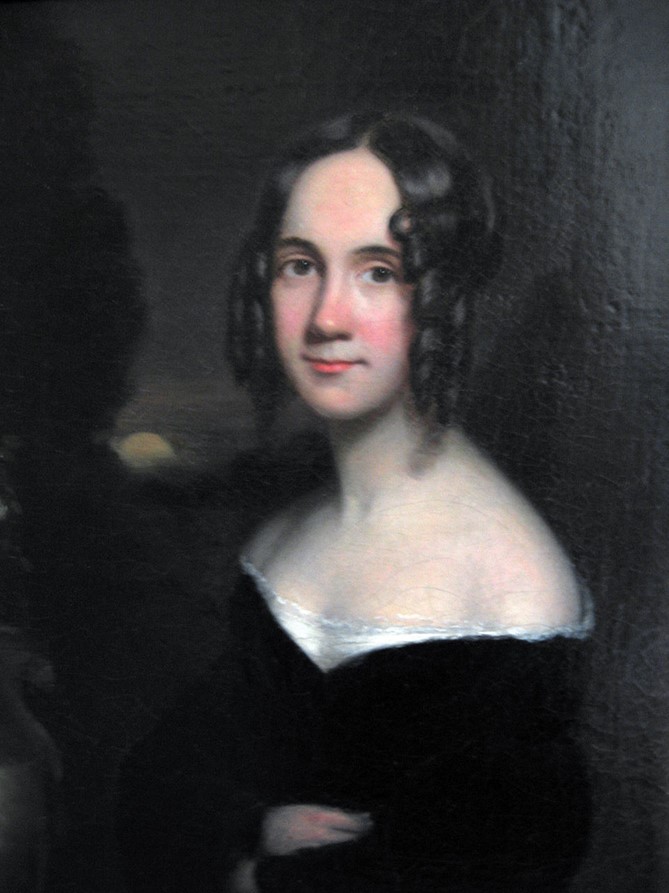
Figure 7 Sara Josepha Hale portrait by James Reid Lambdin, 1831. Wikipedia.
We hope you enjoyed our brief history of World War II and the significant role U.S. railroads played in transporting troops and freight. Today’s recipe is from the Union Pacific Railroad’s Dining Car Cook Book and Service Instructions circa 1945. If you try the recipe (and what a perfect month for this one!) be sure to let us know in the comments below, or on our social media channels!

Figure 8 Fred Harvey menu featuring Roast Young Turkey. Note the “For Victory, Buy War Bonds” text at the top of the menu, January, 1945. CRRM Collection.
Recipe Union Pacific Roast Young Turkey and Sage Dressing
Roast Young Turkey
All fowl should be carefully cleaned, washed and pin feathers removed before stuffing. Each must be stuffed before roasting and tied well to prevent dressing falling out while roasting. In preparing fowl for roasting they should be placed in roast pan, seasoned with salt and pepper, a bouquet of vegetables added and some clear meat drippings poured over the top of each. They should be basted often during roasting and placed in pan with breasts down in order to retain moisture in the tender breast meat. Gravy should be prepared by straining into a pot the fat remaining in roast pan after removal of fowl, adding flour for roux and after sufficient stock has been added to the browned residue of vegetable and drippings in the pan in which roasted, the browned stock should be strained into the pot containing the roux and cooked until proper consistency obtained. Season with salt and pepper and strain. In carving remove all dark meat and cut up but slice the breast only as ordered. Serve a portion of both varieties of meat. Do not place gravy over the white meat but pour over the dressing before arranging the breast cuts of fowl.
Sage Dressing
Old bread should be used if available. Soak the bread in cold water for 30 minutes, squeeze dry and add the sautéed diced onions, celery and diced ham. Season with powdered sage, salt and pepper to taste and mix well. Surplus dressing should be baked in separate pan.